Welcome to our weekly health blog where we talk matters health in a different way. We will start with a clinical case to paint a picture of how the condition presents and this will be followed by a brief description of the condition.
For this week I will touch on something that I believe should be known to everyone and that’s STROKE !!!
This is the lack of blood supply to a segment of the brain either due to a clot or bleeding within a vessel.
I will take you through the steps we take as clinicians to manage it but first, a case to set the scene.
JL, 70 year old , farmer from one of the fertile lands of Nyandarua presented to the casualty. He was brought in by his relatives, his sons to be precise, who were scared that their dad was no longer talking or making sense like he did before. During my review, they disclosed that three days prior to coming to the ER, they had noticed that their dad had started having slurred speech and feeding had slowly become an issue. They figured it could be the hypertension causing issues and opted to keep a close eye on him. Day two, the slurred speech continued and now, there was some weakness of the left side. He couldn’t quite move his left hand and the leg as well. They decided to do some home based therapy for him(mostly massaging) and made arrangements to take him to the hospital the next day.
“Have we been monitoring his blood pressure?” I asked. ” Well, they ended about 3 days ago though we were planning on refilling them. ” Said the eldest son
At times the knowledge of chronic conditions lacks amongst us and most of the times it’s because some health care givers don’t fully explain to the patients the need for long term compliance, check ups and monitoring of the chronic condition.
On review the patient was in bad shape to say the least. He couldn’t talk, the blood pressure was high and the left eyelid was drooping. He could barely move his left arm and leg.
Given the urgency, I consulted the physician and we decided on doing a CT scan of the brain and control the blood pressure as we await the results.
‘ I feel like we are wasting time waiting for the results. Why can’t you sort my father right now?’ One of the sons asked. ‘ Well sir, should I give anything without knowing the type of stroke we have, I could be making things worse. Let’s just be patient’ My answer didn’t quite ease his mind.
After an hour or so, the CT scan report was out and it showed that the patient was suffering from an ischemic stroke. Having the diagnosis, we could now fully formulate a management plan which includes medication that break down the clot in the brain as well as BP control, physiotherapy to try and regain mobility and supporting management for the patient. All these were to be done in the HDU.
Unfortunately the family couldn’t afford the price and we had to refer them to a facility where the cost was more pocket friendly. I really hope they did take their dad to hospital.
🧠 Stroke
A stroke is a medical emergency that occurs when the blood supply to part of the brain is interrupted, depriving brain tissue of oxygen and nutrients. Within minutes, brain cells begin to die.
🧩 Types of Stroke
- Ischemic Stroke(≈ 85% of strokes)
- Caused by a blood clot or narrowed blood vessel that blocks blood flow to the brain.
- Hemorrhagic Stroke
- Occurs when a blood vessel bursts, causing bleeding in the brain.
- Transient Ischemic Attack (TIA)
- A “mini-stroke” caused by a temporary blockage.
- Symptoms resolve within 24 hours, but it’s a warning sign of a future stroke.
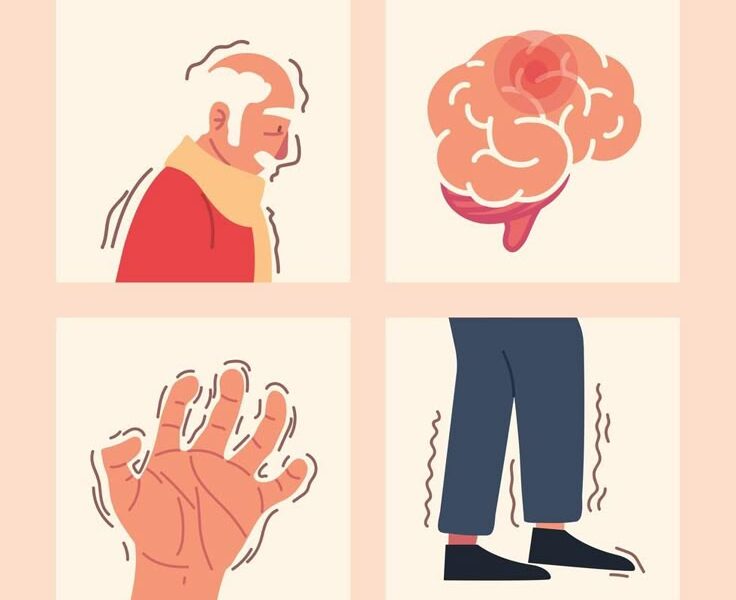
⚠️ Common Symptoms (Sudden Onset)
Use the acronym BE FAST:
- Balance: Sudden loss of coordination
- Eyes: Vision changes (blurred or double vision)
- Face: Drooping on one side
- Arms: Weakness or numbness, especially on one side
- Speech: Slurred or confused speech
- Time: Act fast — call emergency services
🧪 Diagnostic Measures
- CT Scan – Quick way to check for bleeding or infarction.
- MRI – Detailed imaging to detect brain tissue damage.
- Carotid Ultrasound – To check for narrowed arteries.
- Cerebral Angiography – Visualizes blood flow in the brain.
- Blood Tests – To check clotting, sugar levels, infections, etc.
- ECG & Echocardiogram – To check for heart-related causes like atrial fibrillation or clots.
💉 Treatment Options
1. Ischemic Stroke
- Clot-busting drugs (tPA): Must be given within 4.5 hours of symptom onset.
- Mechanical thrombectomy: Physically removing the clot via catheter (within 6–24 hours).
- Antiplatelet/anticoagulant therapy (e.g., aspirin, heparin) to prevent further clots.
- Control of underlying causes: e.g., blood pressure, cholesterol, diabetes.
2. Hemorrhagic Stroke
- Control bleeding and pressure in the brain (e.g., with medications).
- Surgery may be needed to repair vessels or drain blood.
- Discontinue blood thinners, if possible.
- Aneurysm clipping or coiling may be done to prevent further bleeding.
3. Post-Stroke Rehabilitation
- Physiotherapy
- Occupational and speech therapy
- Psychological support
- Lifestyle changes to reduce recurrence risk
🛡️ Prevention
- Control blood pressure, blood sugar, and cholesterol
- Stop smoking and limit alcohol
- Healthy diet and regular exercise
- Take prescribed blood thinners if at high risk
🧠 Why It Matters:
A person may not feel pain, but still be having a stroke. The faster they get treatment, the better the chances of survival and recovery.
Remember, BE FAST. If the sons were well aware of the symptoms, they could have known what to do in good time.
Hope you got to learn a thing or two about STROKE and don’t forget to pass it down to yet another person.
-DR MUTHONI MAINA-