
Hey y’all?
It is yet another week to spread some medical knowledge to you all in a fun and engaging way. Hope you enjoyed last week’s piece and one more thing, thank you so much for the support.
For this week, I want us to talk about a condition that can be excruciating, annoying and can be easily missed if not treated in the right hands and facility.
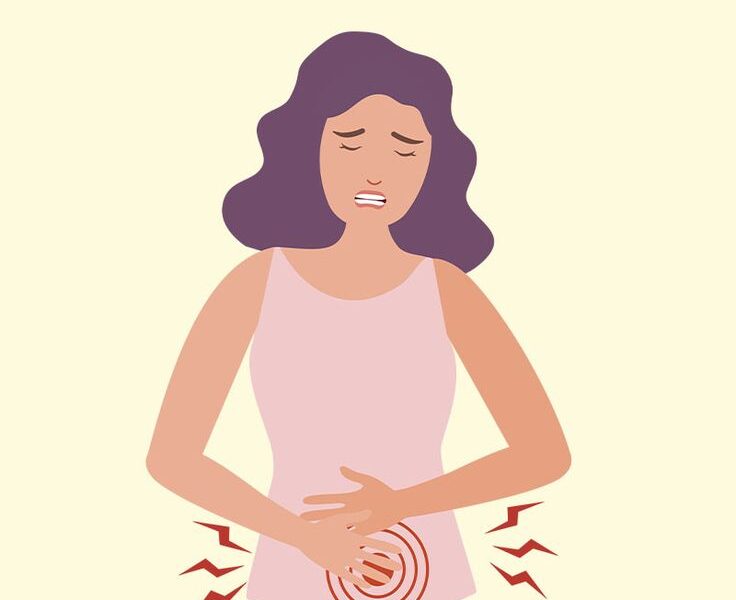
Pelvic inflammatory disease. It is the infection of the female reproductive system: uterus, fallopian tubes, ovaries and cervix. Before we get to the medical part, let me indulge you with how it impacts a woman’s health.
Mama T, 35 years, recently got an IUD inserted. She just had twins and due to the high chance of twin pregnancies in her family, she feared another pregnancy might lead up to triplets if not another set of twins. hence, the IUD. When we first met, she had had the device for over 6 months and complained of a foul smelling discharge, a lot of pelvic pain and some pain while urinating. The pain had been present for about 2 weeks or so and the discharge was on and off. Despite medication, the symptoms were still present.
‘Doc sielewi mbona uchungu waendelea. I clean my toilet, I don’t use public ones. Plus I haven’t slept with anyone, even my husband. what is happening? Ama ni coil?’
Some tests were done. Urinalysis confirmed no UTI, though the pelvic exam showed whitish discharge. We weren’t able to do a pelvic ultrasound. Given this, I prescribed some pessaries and oral medication and advised her to have a consult with the gyn about removing the device.
2 weeks down the line, she came back just to let me know of the progress. She had a scan done at the gyn clinic and it showed she was having the PID. The coil removed and she was put on another type of contraception. She was also given a mix of antibiotics. She was relieved. Finally she can live a life without constant cramping pain.
So, what causes PID?
The most common cause is sexually transmitted infections (STIs), especially Chlamydia and Gonorrhea
Other bacteria (including normal vaginal flora) can also cause PID, particularly after:
- Childbirth
- Abortion (especially unsafe)
- IUD insertion( like in this case)
- Pelvic procedures (e.g., endometrial biopsy)
PID can range from mild to severe. Some women may have no symptoms at all. Common symptoms include:
- Lower abdominal pain
- Pelvic pain
- Abnormal vaginal discharge (often with a bad odor)
- Pain during sex
- Painful urination
- Fever and chills
- Irregular menstrual bleeding
Diagnosis is clinical but supported by:
- Pelvic exam (checking for cervical motion tenderness, uterine or adnexal tenderness)
- Vaginal/cervical swabs for gonorrhea and chlamydia
- Urinalysis to rule out UTI
- Ultrasound (to detect abscesses or tubal damage)
- Laparoscopy (definitive but rarely needed unless severe or unresponsive to treatment)
Early treatment is vital to prevent complications. Management includes the use of antibiotics removal of offending agents, abstinence and partner testing.
Complications that could arise if left untreated are; ectopic pregnancies, infertility and pelvic abscesses.
These are ways to prevent it ;
- Consistent condom use
- Regular STI screening
- Prompt treatment of infections
- Avoiding vaginal douching
- Mutual monogamy or reducing sexual partner
This is a condition that can be easily managed and it requires prompt diagnosis. If the pelvic pain has been there for a while,honey, kindly, get it checked.
Love and light
¬Daktari Muthoni¬