

PCOS is now PMOS: Understand its impact on your health
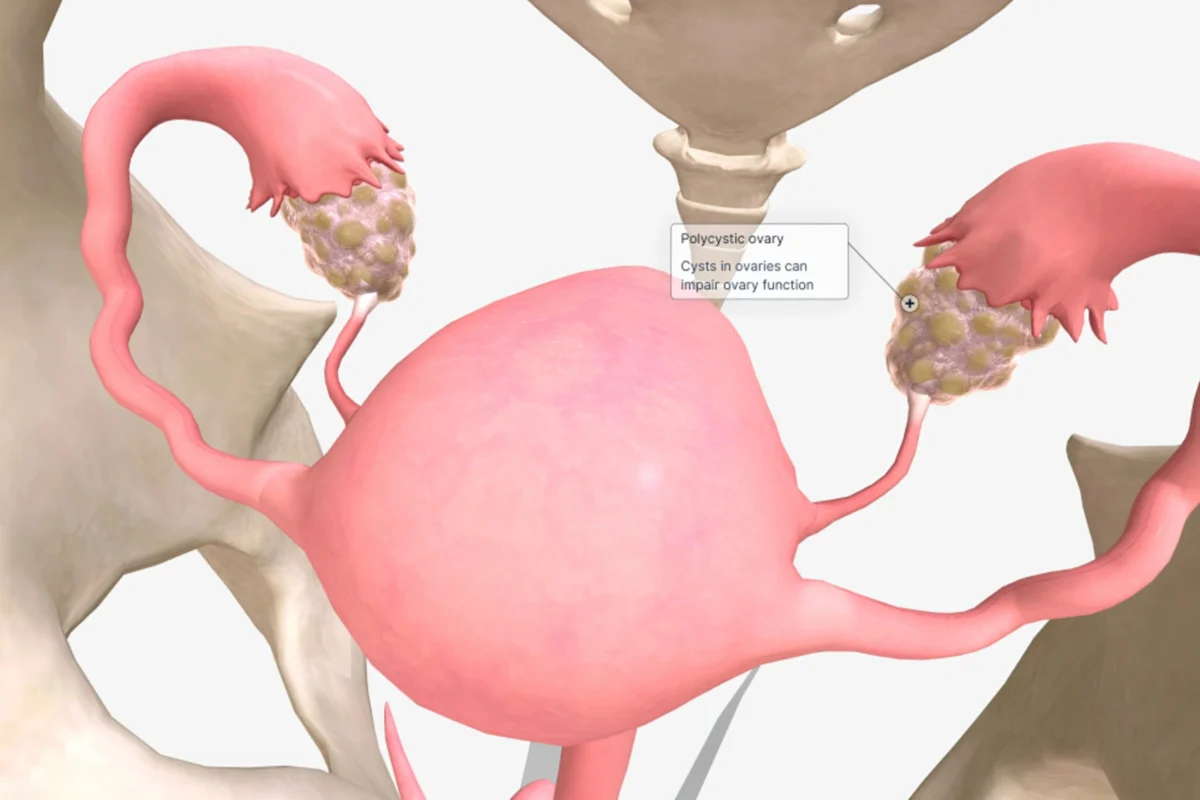
If you’ve spent years being told your irregular periods are “just how your body is,” or you’ve quietly dealt with stubborn weight gain and chin hair you didn’t ask for, yours is not an isolated case. You are not imagining it. Millions of women across the world live with a hormonal condition that, until recently, was called Polycystic Ovary Syndrome (PCOS). As of May 2026, it has a new name: Polyendocrine Metabolic Ovarian Syndrome (PMOS).
We asked Dr Julius Maina Kiiru, Obstetrician/Gynaecologist and Fistula Surgeon at Westlands Medical Centre, to walk us through what this condition really is, why the name changed, and most importantly, what you can do about it.
Why did PCOS become PMOS?
For over a hundred years, this condition carried a name built around one visible feature seen on an ultrasound: small follicles on the ovaries that looked like cysts. In reality, most women with the condition don’t have true ovarian cysts at all, and the ovaries are only one part of a much bigger picture involving hormones, metabolism, skin, and mental health.
After more than a decade of debate and input from over 22,000 patients, clinicians and researchers worldwide, a global consensus led by Monash University and published in The Lancet in May 2026 formally retired the name PCOS in favour of PMOS. The change was backed by more than 50 international medical bodies, including the Endocrine Society and the American Society for Reproductive Medicine. Both names will circulate for the next few years as the transition rolls out, so don’t be surprised to see “PCOS” and “PMOS” used interchangeably in the meantime. Importantly, the diagnostic criteria, screening, and first-line treatments have not changed; only the name has, to better reflect what patients actually experience.
How common is PMOS, really?
According to Dr Kiiru, PMOS affects an estimated 10 to 13% of women of reproductive age worldwide, making it one of the most common hormonal conditions women face. Yet roughly 70% of cases go undiagnosed, often because the symptoms are mistaken for everyday struggles rather than signs of an underlying condition.
The WHO’s own fact sheet states that up to 70% of women with PCOS worldwide do not know they have the condition, and specifies that an estimated 10–13% of women globally are thought to have PCOS, but up to 70% of affected women are undiagnosed.
This is one reason PMOS is under-recognised right here in Nairobi and across Kenya: many women grow up normalising irregular periods, unexplained weight gain, or excess hair growth, rather than raising them with a doctor.
Signs you may have PMOS
You don’t need every symptom below to have PMOS. One or two is often enough to warrant a conversation with your gynaecologist:
- Weight changes or difficulty managing weight, including obesity that doesn’t respond easily to diet or exercise
- Irregular menstruation: cycles that are unpredictable, infrequent, or absent for months at a time
- Excess hair growth on the chin or face (a sign of elevated androgens, the “male” hormones every woman also produces in smaller amounts)
- Difficulty conceiving, linked to irregular or absent ovulation
Doctors typically confirm a diagnosis using what’s known as the Rotterdam criteria, looking at ovulation patterns, hormone levels, and ovarian appearance on ultrasound, alongside a detailed history to rule out other causes such as thyroid problems.
Why it’s worth taking seriously
Left unmanaged, PMOS isn’t just about periods or appearance. Research links the condition to a higher long-term risk of type 2 diabetes, cardiovascular disease, and, for some, difficulty with fertility. The encouraging news is that with early diagnosis, most of these risks can be managed, which is exactly why Dr Kiiru encourages women not to dismiss the symptoms as “normal.”
How PMOS is treated
There is no single treatment for PMOS. Care is tailored to whichever symptoms are affecting you most:
- Irregular periods
Managed with hormonal pills or a hormonal IUD to regulate your cycle and protect your uterine lining. - Weight changes
Best addressed through diet, exercise, and sustainable lifestyle changes. That is, small, consistent shifts rather than crash diets. - Fertility concerns
Approached through hormonal balancing and, where needed, assisted fertility treatment to support ovulation and conception.
“Treatment is specific to the complaint the patient has,” says Dr Kiiru. “My advice is that if you have any of these symptoms, it’s time to seek medical care.”
Get a tailored diagnosis at Westlands Medical Centre
At Westlands Medical Centre, our approach to PMOS is holistic. You can expect a detailed history, a thorough examination, and a treatment plan built around the outcome you’re hoping for, whether that’s regular cycles, a healthier weight, clearer skin, or a pregnancy.
You don’t have to keep living with symptoms you’ve been told are “just how you are.” Book a consultation with our OB/GYN today.