

Understanding infertility; a specialist’s guide for Nairobians
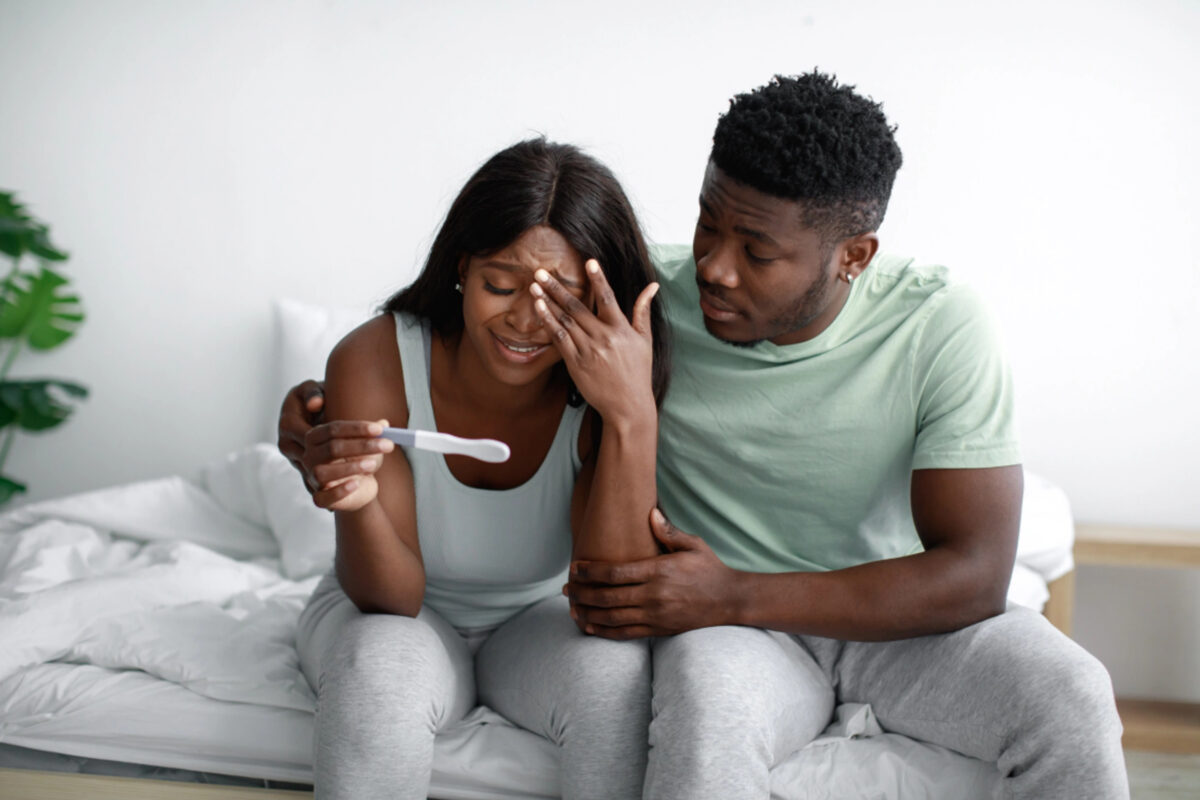
If you have been trying to get pregnant for months or years without success, you are not alone, and you are not to blame.
According to the World Health Organization (WHO), approximately 17.5% of the adult population (roughly 1 in 6 people worldwide) will experience infertility at some point in their lifetime. In Kenya, the Kenya Fertility Society estimates that at least 1 in every 5 couples struggles with infertility, with around 4.2 million Kenyans requiring medical assistance to conceive.
Behind each of those numbers is a real person navigating hospital appointments, family pressure, self-doubt, and often silence. This article is for them. It is also for the husbands, mothers-in-law, friends and colleagues who need to understand what infertility actually is, so they can offer support instead of stigma.
|
Infertility in Kenya and Africa
Before we get into the medical details, here are the facts that set the context for Kenyan couples:
| 1 in 5
Kenyan couples affected (Kenya Fertility Society) |
4.2M
Kenyans need help to conceive (Kenya Fertility Society) |
17%
Pooled infertility prevalence in Sub-Saharan Africa (2024 meta-analysis) |
9
Fertility centres in all of Kenya, most in Nairobi |
Sources: Kenya Fertility Society (2020); WHO Global Report on Infertility (2023); PMC — Prevalence of infertility and its risk factors in Sub-Saharan Africa: a systematic review and meta-analysis (2024)
In Sub-Saharan Africa specifically, the pooled prevalence of infertility is approximately 17% (nearly 1 in 6 couples) according to a 2024 systematic review and meta-analysis published in Contraception and Reproductive Medicine. In some Sub-Saharan African populations, infertility rates climb as high as 30%, driven largely by infections and obstetric complications.
And yet, despite these numbers, too many Kenyan couples suffer in silence, believing that infertility is shameful, that it is always the woman’s fault, or that nothing can be done. None of these things is true.
What is infertility? The medical definition
Medically, infertility is defined as the inability to conceive after 12 months of regular, unprotected sexual intercourse, typically defined as intercourse 2–3 times per week. For women aged 35 and above, the threshold is shortened to 6 months because fertility declines naturally with age, making earlier evaluation important.
Infertility is not the same as impotence (occurs when you’re unable to achieve an erection, maintain an erection, or ejaculate consistently), and it is not a life sentence. For many couples, the right diagnosis leads to effective treatment and a healthy pregnancy.
Primary vs. secondary infertility
Primary infertility means a couple has never conceived despite trying for 12 months (or 6 months if the woman is over 35). This may be due to ovulation disorders, sperm problems, blocked tubes, uterine abnormalities or hormonal issues.
Secondary infertility means a couple has previously conceived (even if the pregnancy was lost), but cannot conceive again. This is particularly common in Africa: the WHO estimates that about 30% of women aged 25–49 in Sub-Saharan Africa experience secondary infertility. A 2020 meta-analysis published in Reproductive Medicine found that in Africa, primary and secondary infertility are roughly equal in prevalence, that is, about 50% each.
|
What causes infertility? The medical reasons (female factors)
The most commonly reported causes of infertility in African women, and in Kenya specifically, are:
- Tubal blockage and Pelvic Inflammatory Disease (PID)
This is the single leading cause of female infertility in sub-Saharan Africa. The fallopian tubes, which carry eggs from the ovaries to the uterus, become blocked or scarred, usually due to Pelvic Inflammatory Disease (PID). PID is an infection of the reproductive organs, most often caused by untreated sexually transmitted infections (STIs) such as chlamydia and gonorrhoea.
A 2020 Africa-wide systematic review found that pelvic inflammatory disease and tubal factors account for approximately 39% each of female infertility cases in Africa. A 2017 study in Kenya highlighted that untreated genital infections may be the cause of up to 85% of infertility among women seeking fertility care in Sub-Saharan Africa, compared to just 33% worldwide.
This is a critical point because many STIs, including chlamydia, have no symptoms in the early stages. Women can have an infection causing ongoing damage to their tubes without knowing it.
- Polyendocrine Metabolic Ovarian Syndrome (PMOS) and Ovulatory Disorders
Polyendocrine Metabolic Ovarian Syndrome (PMOS), previously known as PCOS, is one of the most common hormonal disorders among women of reproductive age globally. It causes irregular or absent ovulation, meaning eggs are not released consistently for fertilisation. It is often accompanied by irregular periods, excess body hair, acne and weight changes. Other ovulatory disorders include thyroid dysfunction, elevated prolactin levels and premature ovarian insufficiency.
- Uterine abnormalities
Fibroids (non-cancerous growths in the uterus), polyps, congenital uterine defects, and scarring (Asherman’s syndrome — often from post-abortion infections or procedures) can interfere with implantation or pregnancy. Fibroids are particularly prevalent among women of African descent.
- Endometriosis
In endometriosis, tissue similar to the uterine lining grows outside the uterus, on the ovaries, tubes or the pelvic wall. This causes pain, inflammation and scarring that can block tubes or affect egg quality. It is often undiagnosed for years because its symptoms overlap with ‘normal’ period pain.
- Age-related ovarian decline
Women are born with a finite number of eggs. Ovarian reserve declines naturally with age, and egg quality diminishes after 35. This does not mean pregnancy is impossible, but it does mean that seeking help sooner rather than later improves outcomes.
- Sickle cell disease and infertility
This deserves special mention, given its prevalence in Kenya. Women with sickle cell disease (SCD) face elevated risks to their fertility and pregnancies. Sickling crises can affect ovarian blood flow; some treatments, such as hydroxyurea, may impact egg reserve; and the chronic stress of SCD management can compound fertility challenges.
Research published in Reproductive Health (2025) confirms that SCD and its treatments present measurable infertility risks, and recommends that women with SCD receive proactive fertility counselling and reproductive planning, conversations that are still rarely happening in Kenyan clinics.
|
Male infertility
This is perhaps the most important message in this article. Infertility is not just a woman’s problem.
According to the Kenya Fertility Society’s Prof. Koigi Kamau, 30% of infertility cases are due to male factors and 30% are due to female factors. Unexplained or combined factors cause 40%. Yet in most Kenyan households and many clinics, the woman is tested first, blamed first, and bears the stigma alone.
The most common causes of male infertility include:
- Low sperm count (oligospermia)
A 2020 meta-analysis found that oligospermia accounts for approximately 31% of male infertility cases in Africa. - Poor sperm motility (asthenozoospermia)
Sperm are produced but cannot swim effectively to reach and fertilise the egg (approximately 19% of cases). - Varicocele
Enlarged veins in the scrotum overheat the testes and impair sperm production (approximately 19% of cases). It is often treatable with minor surgery. - Hormonal imbalances
Low testosterone or elevated prolactin affects sperm production. - STIs and infections
Approximately 46% of Sub-Saharan African men with infertility have sexually transmitted disease-related factors. - Sickle cell disease
In men, SCD reduces sperm count, motility and morphology, and may cause erectile dysfunction or ejaculation problems.
|
How is infertility diagnosed? What to expect at the clinic
A thorough fertility evaluation at Westlands Medical Centre typically begins with a detailed history of both partners and moves through targeted investigations. Here is what the workup looks like:
For Women
- Hormone blood tests
FSH, LH, AMH (anti-Müllerian hormone — the best measure of ovarian reserve), oestradiol, thyroid function, prolactin. - Pelvic ultrasound
Visualises the uterus, ovaries and antral follicle count (a measure of egg reserve). Available on-site at WMC. - Hysterosalpingography (HSG)
An X-ray procedure using contrast dye to check whether the fallopian tubes are open. Essential if tubal blockage is suspected. - Laparoscopy
A surgical examination to look for endometriosis, adhesions or pelvic abnormalities not visible on ultrasound. Performed when initial tests are inconclusive. - Endometrial biopsy
Assesses the uterine lining when implantation issues are suspected.
For Men
- Semen analysis
The most important first test. Evaluates sperm volume, count, motility and morphology. Available at our laboratory. - Hormonal testing
Testosterone, FSH, LH and prolactin levels. - Scrotal ultrasound
Detects varicocele and structural abnormalities. - Genetic testing
Considered in cases of very low or absent sperm, it identifies chromosomal causes.
|
What are the treatment options for infertility?
The right treatment depends entirely on the underlying cause. That is why diagnosis comes first. Common treatments include:
Lifestyle modification
Before any medical intervention, it is worth optimising lifestyle factors that are known to affect fertility in both men and women:
- Achieving a healthy weight
Both obesity and being underweight disrupt ovulation and sperm production - Quitting smoking
Tobacco use is significantly associated with reduced fertility in both sexes - Reducing alcohol and avoiding recreational drugs
- Managing stress
Chronic psychological stress affects hormonal balance - Nutritional optimisation
A balanced diet rich in folate, zinc and antioxidants supports reproductive health
Medical (drug) treatment
- Ovulation induction
Medications such as clomiphene citrate or letrozole stimulate ovulation in women with PCOS or irregular cycles. - Hormone therapy
Corrects thyroid disorders, elevated prolactin, low testosterone and other hormonal imbalances. - Antibiotics
Treats active infections, including STIs, that are causing or worsening fertility problems.
Surgical treatment
- Laparoscopic surgery
Removes endometriosis deposits, opens blocked tubes or treats ovarian cysts. - Varicocelectomy
Surgical correction of varicocele in men often results in significant improvement in sperm parameters. - Hysteroscopy
Removes fibroids, polyps or intrauterine adhesions affecting implantation.
Assisted reproductive technology (ART)
- Intrauterine Insemination (IUI)
Washed sperm is placed directly into the uterus around the time of ovulation. A less invasive first-line ART option. - In Vitro Fertilisation (IVF)
Eggs are retrieved, fertilised with sperm in the laboratory, and the resulting embryos are transferred to the uterus. - Intracytoplasmic Sperm Injection (ICSI)
A single sperm is injected directly into an egg. The treatment of choice for severe male infertility. - Donor eggs or sperm
An option when one partner’s gametes cannot be used.
|
Social pressure, stigma and what the research says
Infertility is a medical condition. But in Nairobi, as in much of Kenya and Africa, it is experienced as a social crisis.
A 2025 systematic review published in International Health (Oxford Academic) found that across Africa, infertility-related stigma commonly leads to:
- Divorce or separation, with stigma frequently cited as a contributing factor
- Polygamous arrangements, where husbands take additional wives in pursuit of children
- Social withdrawal and isolation, as individuals hide their infertility from family and friends to avoid judgment
- Severe psychological distress, including anxiety, depression and loss of self-worth
A 2022 qualitative study on Kenyan women’s experiences of infertility treatment (published in BMC Women’s Health) found that infertile women in Kenya report significant emotional distress, low marital satisfaction, and major disruption to daily life, particularly during treatment cycles which require frequent clinic visits, injections and blood tests.
The blame problem
In most Kenyan households, infertility is assumed to be the woman’s fault. This is medically unfounded. Male and female factors each account for approximately 30% of infertility cases. Combined or unexplained factors account for another 40%.
The social cost of wrongly blaming women is enormous. It can lead to increased stress (which itself worsens fertility outcomes), deteriorating mental health, damaged marriages, and, in the case of women with conditions like sickle cell disease, dangerously elevated crisis frequency.
What families and partners can do
- Seek medical evaluation together. This signals partnership and significantly improves outcomes
- Ensure both partners are tested simultaneously, not sequentially
- Resist pressure to assign blame. Infertility is a medical condition, not a moral failing
- Support the emotional health of both partners. Counselling is an evidence-based part of fertility treatment
- Speak openly about the journey. Silence and shame delay treatment and worsen mental health
When should you see a doctor?
The following timelines are the international clinical guidelines, and they apply in Kenya just as they do anywhere:
| YOUR SITUATION | WHEN TO SEEK HELP |
| Under 35, regular cycles | After 12 months of unprotected intercourse without conception |
| Age 35–39 | After 6 months of trying. Don’t wait a full year |
| Age 40 and above | Seek evaluation immediately. Don’t delay |
| Irregular or absent periods | See a doctor now. Ovulation may not be occurring |
| Known PMOS (PCOS), endometriosis, fibroids or past PID | Seek evaluation before trying. Proactive planning improves outcomes |
| Partner has known semen abnormalities | Seek evaluation immediately |
| Sickle cell disease (either partner) | Seek reproductive counselling before trying to conceive |
| Two or more miscarriages | Seek recurrent pregnancy loss evaluation |
Two stories from our clinic
Data matters. But so do real lives. Here are two patient stories that illustrate the journey of infertility in Nairobi, shared with permission and names changed to protect privacy.
Lady Z: Secondary infertility, sickle cell disease and a marriage under pressure
Lady Z was 27, a mother of one from a previous relationship, now newly married and excited to have another baby. Month by month, nothing happened. By year two, the questions from her mother-in-law had turned to accusations. Talks of ‘a new wife’ began.
What the family did not understand — and what many Kenyan families still do not understand — is that secondary infertility is real, that sickle cell disease raises fertility risks, and that extreme stress from family pressure can literally trigger sickle cell crises.
After seeking an OB/GYN consultation, her new partner was also tested. She eventually found her way to a healthier situation — and on an ordinary antenatal day, she walked into the clinic at 12 weeks pregnant. She was glowing.
Her story is a reminder of several things: secondary infertility is not imagined. Sickle cell disease affects fertility and must be factored into reproductive planning. And sometimes, the most healing thing that happens in an infertility journey is being believed.
Lady A: Bilateral tubal blockage and a frozen pelvis
Lady A was 31, recently married, full of hope, ready to start her family. Her gynaecology workup revealed multiple ovarian cysts and bilaterally blocked tubes. Surgery to repair the tubes confirmed a ‘frozen pelvis’, widespread pelvic adhesions, likely from an old infection she never knew she had.
IVF and surrogacy were beyond her financial reach. Adoption remained a painful consideration, not yet a ready one. At last contact, she and her husband were still sitting with the uncertainty, still believing there was a path.
Her story illustrates two critical health messages:
- STI screening matters because silent infections cause irreversible damage.
- When the road to biological parenthood is blocked, the grief is real and deserves both medical guidance and emotional support.